


A rider pulls the clutch lever, clicks into first gear, and the motorcycle lurches forward before the lever is halfway out. The free play is gone. In most cases, the fix is a 10-minute lever adjustment: set 2-3 mm (about 1/8 inch) of free play at the lever tip on a cold engine, then recheck it after a short ride. But free play is only one part of the story. A cable that drags, a lever perch that binds, or a worn engine that loses compression can all feel like a clutch problem.
The direct answer for most cable-operated motorcycles is simple: too little free play makes the clutch slip under load, while too much free play makes it drag, shift hard, and creep at stoplights. Hydraulic clutches have no cable free play to set, but the lever reach and fluid condition still matter. This guide covers the practical checks, the tools you need, and the symptoms that mean you should look past the lever.
Symptom Table: Free Play, Clutch Drag, and Slip
Before turning an adjuster, match the symptom to the likely cause. The table below uses common service data for small and mid-size motorcycles. A 125cc commuter often calls for 2-3 mm at the lever tip, while some larger models specify 3-4 mm. Always confirm the exact figure in your model's service information.
| Symptom | Free Play Reading | Likely Cause | First Check |
|---|---|---|---|
| Engine revs rise, speed does not | 0-1 mm | Clutch held partly disengaged | Add free play at lever |
| Hard shifting, neutral hard to find | 4 mm or more | Clutch not fully disengaging | Reduce free play |
| Lever feels spongy or sticky | Varies | Cable friction or kink | Inspect cable routing |
| Clutch slips when hot | 0 mm when hot | Thermal expansion or worn plates | Set cold, recheck hot |
| Weak acceleration after clutch fix | Correct | Low compression or worn top end | Compression test |
If the lever has no free play and the bike still creeps, do not force the adjustment past its range. That usually means the cable is stretched, the clutch springs are tired, or the engine oil has broken down and is not letting the plates release cleanly.
Quick Answer: Set 2-3 mm at the Lever Tip
The measurement happens at the tip of the lever, where your fingers sit. Push the lever forward lightly with one finger until you feel the cable or pushrod start to move. That small gap is free play. On many motorcycles, 2-3 mm is the target, but a sportbike with a hydraulic clutch will not have this gap at all.
- Park on level ground and let the engine cool. Heat changes cable tension and fluid volume.
- Slide the rubber boot back from the lever-end adjuster. You will see a lock nut and a barrel adjuster.
- Loosen the lock nut with an 8 mm or 10 mm wrench, depending on the model.
- Turn the barrel adjuster out to reduce free play or in to increase it. Make small turns, about half a rotation at a time.
- Tighten the lock nut while holding the adjuster in place. Recheck the gap at the lever tip.
- Squeeze the lever 10 times, then measure again. The cable should settle into its new position.
- Start the engine, pull the lever, and shift into first. The bike should not creep with the lever fully pulled.
If the lever-end adjuster runs out of threads, move to the engine-end adjuster. That one changes the cable's base position and gives you more range. Do not leave the lever-end adjuster turned almost all the way out; that exposes threads and can bend under hard use.
The Two Adjusters Most Riders Miss
Lever-End Barrel Adjuster
This is the one you can reach while sitting on the bike. It is designed for fine tuning. A typical range is 10-15 mm of thread travel. If you need more than that, the cable is likely stretched or the clutch pack is worn. On many commuter bikes, the lever-end adjuster handles normal wear for thousands of kilometers before you need to touch the engine end.
Engine-End Cable Adjuster
The engine-end adjuster sits near the clutch release arm or pushrod. It sets the cable's coarse position. When you use it, the lever free play changes by a larger amount, so recheck the lever tip after every half turn. On some models, the engine-end adjuster also has a lock nut and a rubber dust cover. Keep the cover in place after adjustment; grit in the cable is a common reason for a sticky lever.
- Use the lever-end adjuster for small changes, such as after a cable stretch of 1-2 mm.
- Use the engine-end adjuster when the lever-end unit is near its limit.
- Never adjust the cable so tight that the release arm is held under tension at rest.
- After any adjustment, turn the bars lock-to-lock to confirm the idle speed does not change.
Symptoms That Point Beyond the Lever
You set free play to 2-3 mm, the lever feels right, and the bike still feels flat. That is the moment to stop adjusting and start testing. A clutch that slips can glaze the friction plates, but a top end that has lost compression will also make the engine feel weak. On air-cooled singles, a worn cylinder or piston ring can mimic clutch slip because the engine cannot hold load.
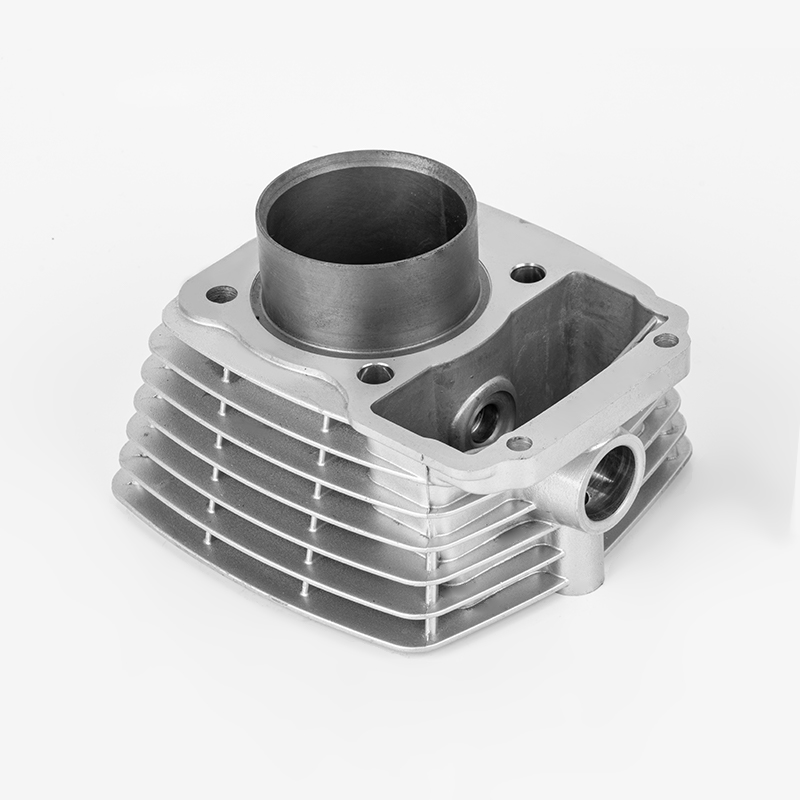 CG125 (Φ56.5) Honda die casting engine cylinder assembly1. Product Overview: The CG125 (Φ56.5) series is the core power component of Honda's classic CG platform, suitable for a 125cc single-cylinder four-stroke engine, usin...View Product →
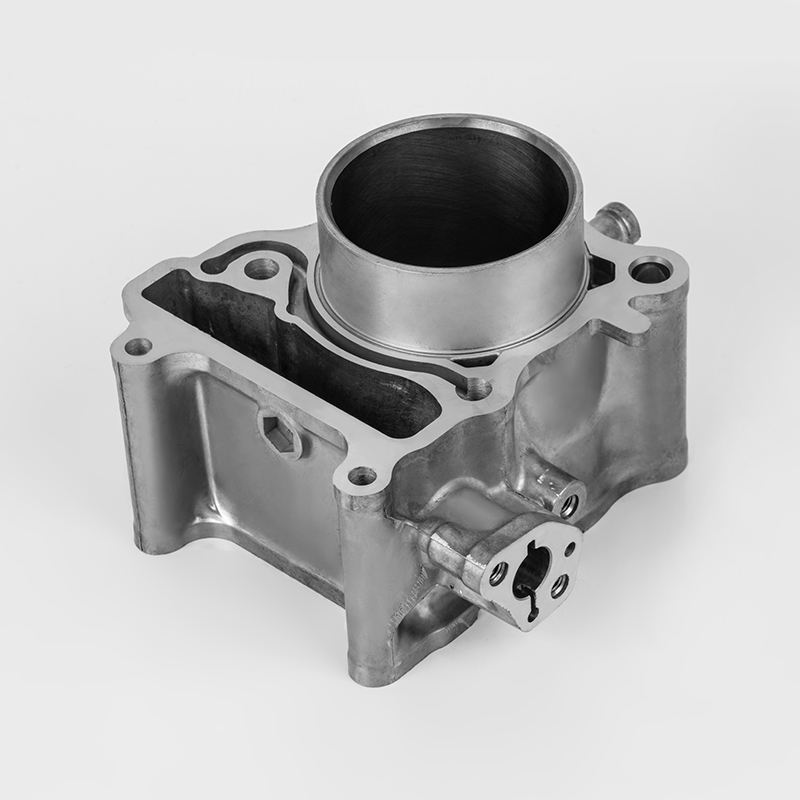
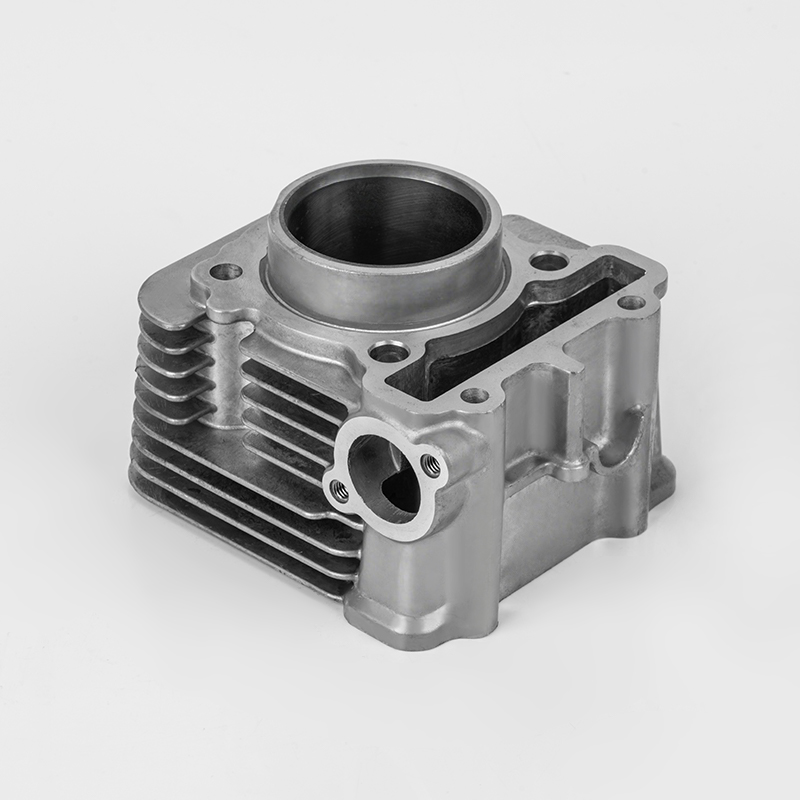
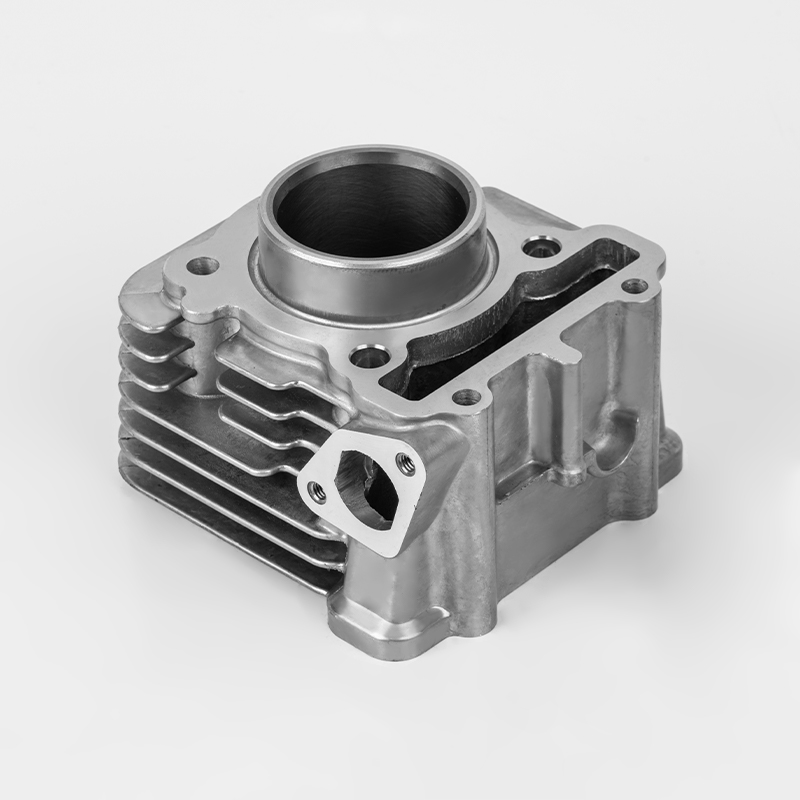
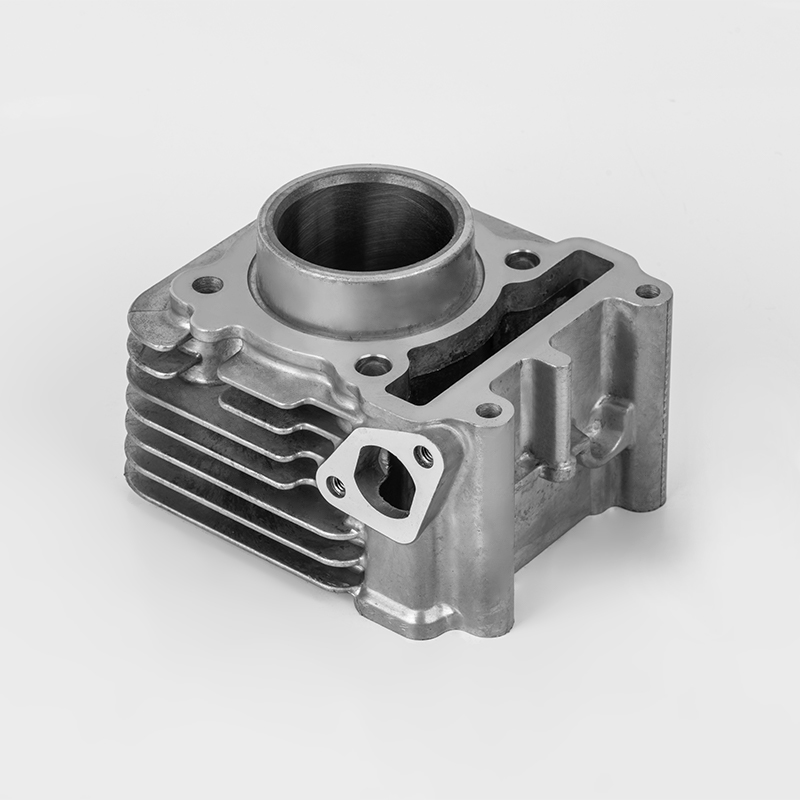
A compression test tells you which side of the engine to work on. For many 125cc to 150cc commuters, healthy compression is roughly 10:1 to 11:1, but the exact figure depends on the model and test conditions. If compression is low, clutch adjustment will not restore power. Replacement cylinder assemblies for common commuter engines are built to restore the bore, piston fit, and heat transfer in one job.
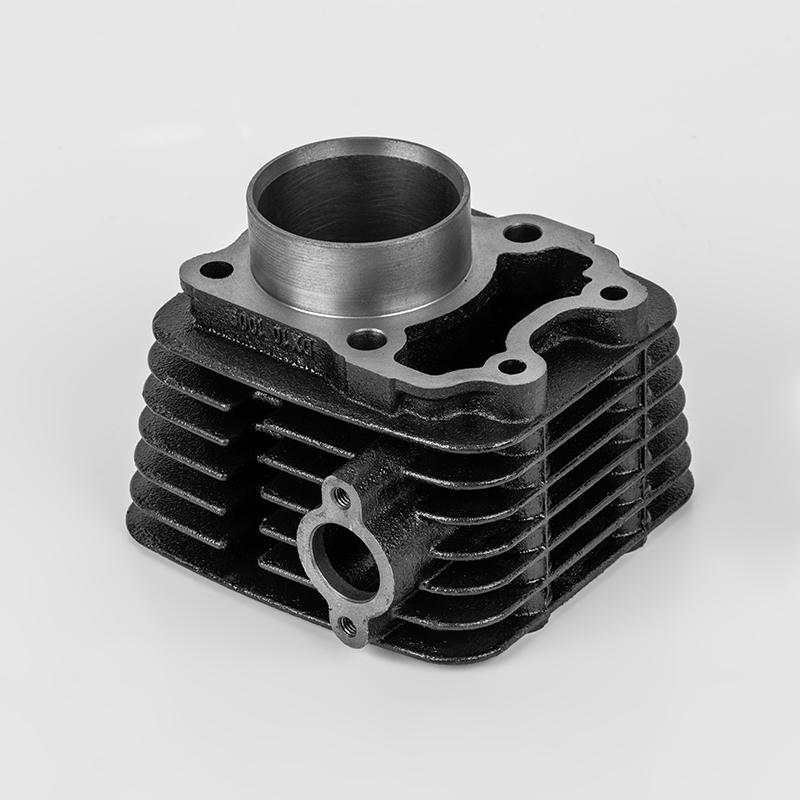 CT100 (Φ53) high-precision durable cast iron motorcycle cylinderBasic parameters and material characteristics: Cylinder bore - Φ53 mm, suitable for 100-125cc displacement engines, taking into account power output and fuel economy, ...View Product →
Iron cylinder liners are common on commuter and utility motorcycles because they tolerate heat and poor fuel quality. A high-precision cast iron cylinder can be a practical replacement when the original bore is scored or out of round. Measure the bore at the top, middle, and bottom with a dial bore gauge. A difference of more than 0.05 mm across those points is a sign that the cylinder is worn beyond a simple hone.
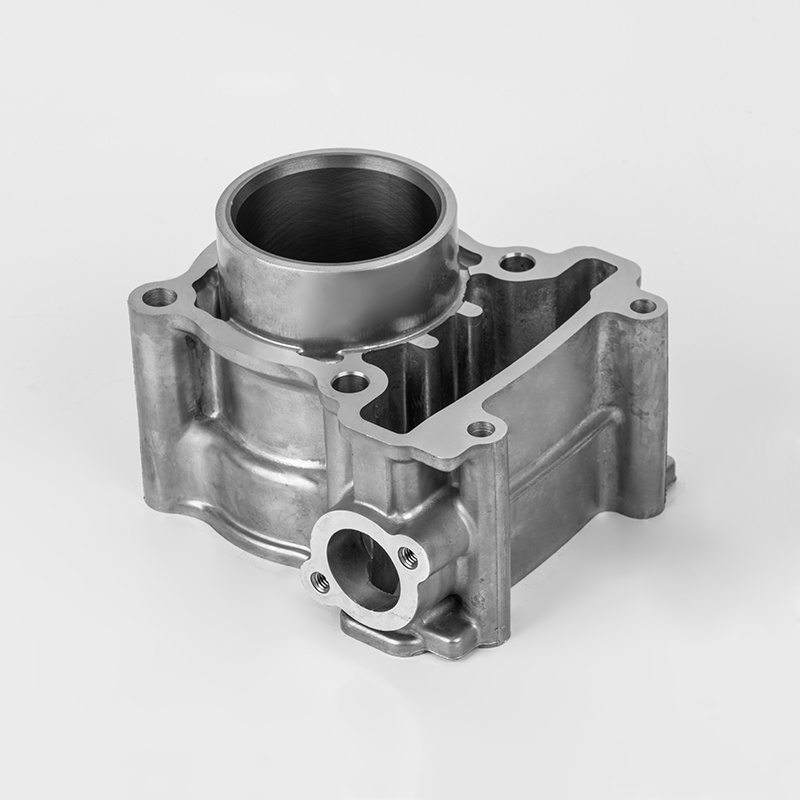
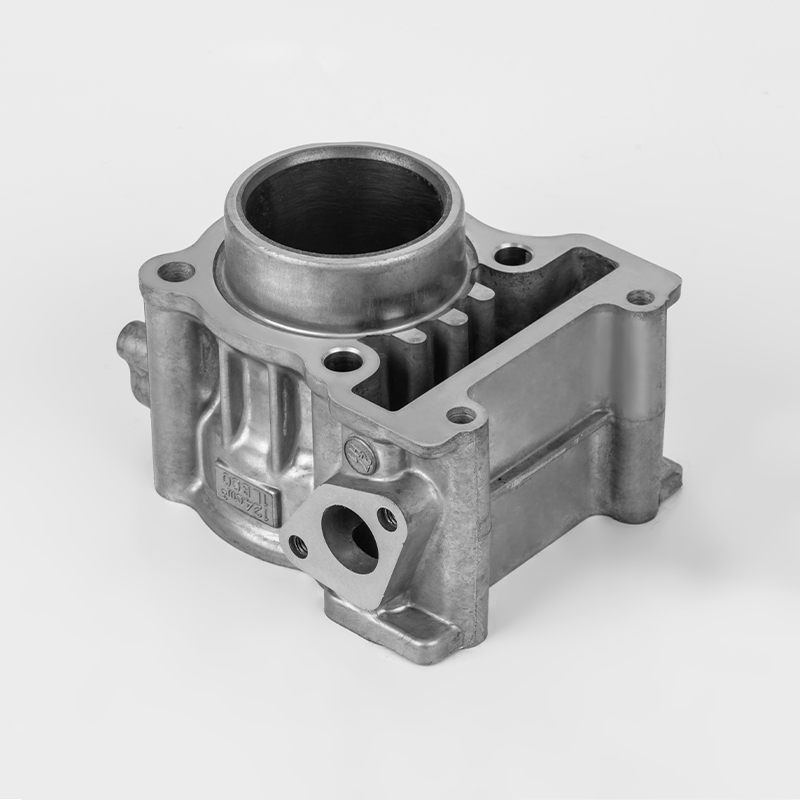
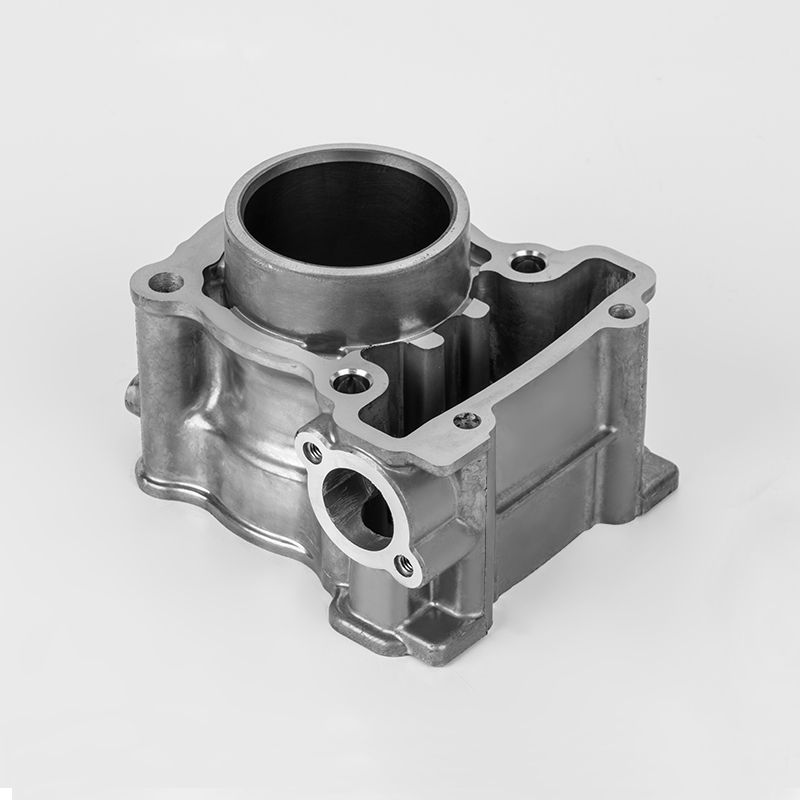
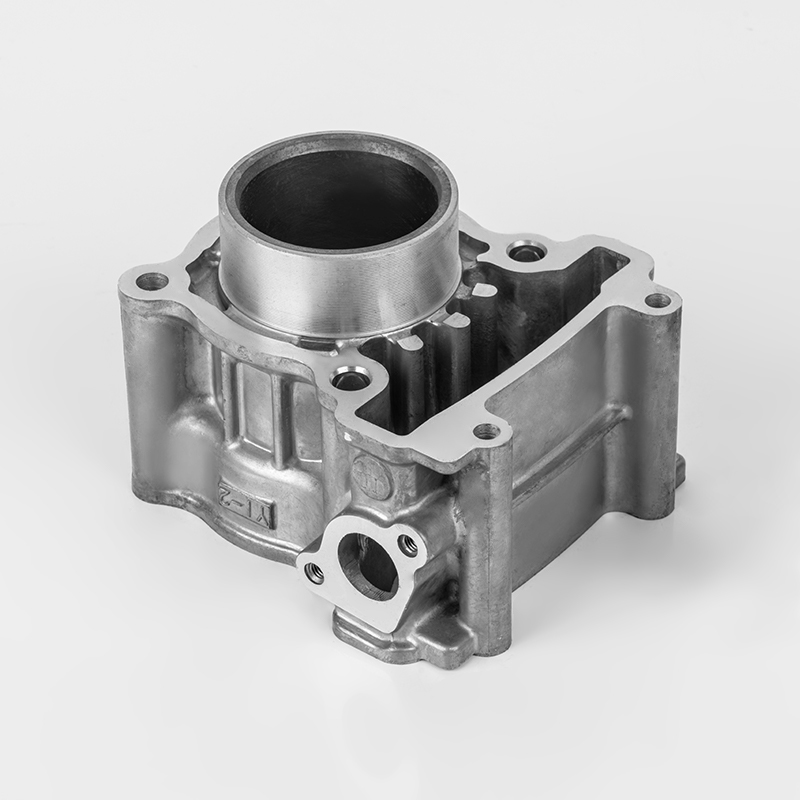
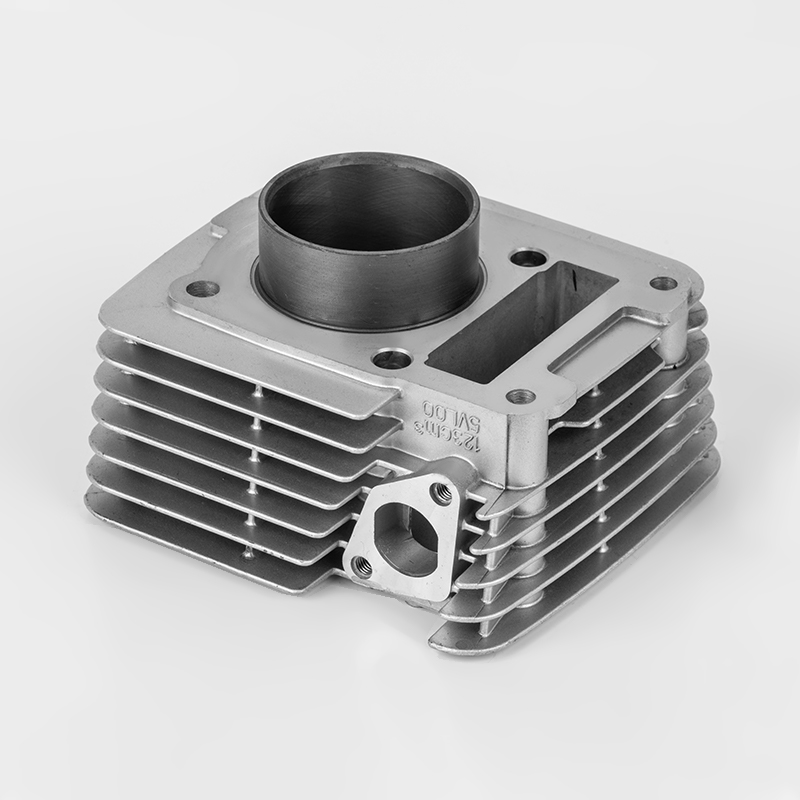 YBR125 (Φ54/57) Yamaha high-performance aluminum material1. Bore size: Φ54mm (standard version) or expanded to Φ57mm (performance modified version), suitable for high compression ratio (upgradeable to 11.6:1) 2. Lightweight ...View Product →
Aluminum cylinders with plated or cast-in liners save weight and spread heat faster. On a bike that sees daily traffic, that can mean steadier power after 20 minutes of stop-and-go riding. If the clutch slips only when the engine is hot, check both the clutch free play and the cylinder condition. Heat changes both systems.
Cable Care, Routing, and Lever Reach
A cable that is correctly adjusted but poorly routed will still cause drag. Every tight bend adds friction. Over time, that friction wears the inner liner and the cable starts to stick. You can feel it when you release the lever slowly: the lever should snap back on its own, not hang halfway.
- Check that the cable does not rub the steering neck, radiator, or exhaust.
- Turn the bars left and right while watching the cable. It should move freely without pulling tight.
- Lubricate a cable only if the manufacturer recommends it. Some modern cables have sealed liners that do not need oil.
- Replace a cable that has frayed strands at either end. A broken clutch cable can leave you stuck in gear.
- Set the lever reach so your fingers can pull the lever to the grip without stretching. Reach adjustment does not change free play.
Lever reach is a comfort setting. Free play is a mechanical setting. Riders sometimes turn the reach screw to fix a dragging clutch, but that only changes where the lever sits at rest. It does not change when the clutch begins to release.
Hydraulic Clutch Levers: What Changes
A hydraulic clutch has no cable and no lever free play. The lever pushes a master cylinder, which moves fluid to a slave cylinder at the engine. If the lever feels soft, the system likely has air or old fluid. If it engages right at the grip, the fluid level may be low or the slave cylinder may be leaking.
Fluid and Bleeding
Most hydraulic motorcycle clutches use DOT 4 brake fluid. It absorbs moisture over time, which lowers the boiling point and makes the lever feel inconsistent when hot. A fluid change every two years is a common service interval. Bleed the system from the slave cylinder upward, and keep the master cylinder reservoir topped up during the process.
Lever Reach versus Free Play
On a hydraulic clutch, the only lever adjustment is usually reach. That changes the distance from the grip to the lever, not the point where the clutch disengages. If the friction zone is wrong, repair the hydraulic system rather than turning the reach screw.
Test Ride and Temperature Check
A cold adjustment is a starting point, not the final word. Cable tension and clutch plate clearance change as the engine warms. Do a short test ride that includes a cold start, 10 minutes of riding, and a few hard accelerations in second and third gear.
- Start the engine in neutral and let it idle for two minutes.
- Pull the lever and shift into first. The bike should not jump or stall.
- Ride at low speed and slip the clutch gently. You should feel a clear friction zone, not an on-off switch.
- Accelerate hard in third gear. If the revs climb faster than the speed, the clutch is slipping.
- Stop and recheck free play at the lever tip. It may have changed by 0.5-1 mm.
If the lever free play disappears when the engine is hot, set it slightly looser when cold. If it grows too large when hot, set it toward the tight end of the specification. Always stay within the manufacturer's range.
When to Replace Cable, Springs, or Cylinder
Adjustment has limits. Replace the clutch cable if it has frayed strands, a cracked outer sheath, or a sticky inner cable that cannot be freed. Replace clutch springs if the lever pull feels weak and the clutch slips even with correct free play. Replace friction plates if the clutch drags after a correct adjustment and fresh oil.
A worn top end is different. It shows up as low compression, oil consumption, or a metallic rattle. For buyers comparing replacement parts, motorcycle cylinder buyer knowledge explains material differences, and the aluminum motorcycle cylinder series covers common commuter fitments. Match the cylinder to the engine code, not just the model name. Many motorcycles share a model name across markets but use different bore and stroke combinations.
Measure before you buy. You need the bore diameter, the cylinder height, the gasket surface condition, and the piston pin diameter. A cylinder that looks similar can have a different deck height or water jacket. Those differences cause leaks, low compression, or piston contact.
FAQ: Adjusting the Clutch Lever on a Motorcycle
How much free play should a motorcycle clutch lever have?
Most cable-operated motorcycles specify 2-3 mm at the lever tip. Some models allow 3-4 mm. The measurement is taken before the lever begins to pull the cable. Check your model's service data because a few bikes use a different figure.
Can I adjust the clutch lever without tools?
Some motorcycles have a knurled adjuster you can turn by hand, but you still need a wrench to loosen the lock nut. Riding without tightening the lock nut lets the adjuster move, which changes free play while you ride. That is a safety risk.
Why does my clutch lever feel loose after adjustment?
A loose lever usually means too much free play. The cable may have stretched, the lock nut may be loose, or the engine-end adjuster may have moved. Recheck both ends and measure at the lever tip after squeezing the lever several times.
What causes clutch slip after adjusting the lever?
Clutch slip after adjustment usually means there is no free play. The lever is holding the clutch partly disengaged. Back the adjuster off until you have 2-3 mm at the tip, then test again. If slip continues, the friction plates or springs may be worn.
How do I know if the cable is stretched?
A stretched cable needs more and more adjuster travel to keep the same free play. If the lever-end adjuster is near its limit, or if you have to use the engine-end adjuster twice in one season, replace the cable. Measure the cable against a new one if you are unsure.
Does lever position affect clutch engagement?
Lever reach changes where the lever sits at rest, not when the clutch releases. It can make the bike more comfortable, but it will not fix a dragging or slipping clutch. Free play and hydraulic health control engagement.
Can a worn cylinder cause clutch problems?
A worn cylinder does not change clutch free play, but it can make the engine feel weak when the clutch engages. Riders sometimes blame the clutch for low power. A compression test and a cylinder inspection separate the two issues.
How often should I check clutch lever free play?
Check it every 1,000-2,000 km, after any cable replacement, and before a long trip. Also check it if the lever feel changes, if shifting becomes hard, or if the bike creeps at a stop with the lever pulled.
Adjusting the clutch lever on a motorcycle is one of the highest-value checks you can do in a few minutes. Set free play to 2-3 mm at the lever tip, confirm the cable is not binding, and test the friction zone hot and cold. If the clutch still slips or drags after that, move on to the cable, springs, plates, and compression.
The lever is the control point, but the engine is the power source. When a tune-up does not restore performance, measure the bore, check the piston fit, and match the replacement cylinder to the engine code. That approach saves time, avoids repeat repairs, and keeps the motorcycle pulling cleanly in traffic.